Unlock Robust Flavor: Essential Tips for Authentic Meat Sauce
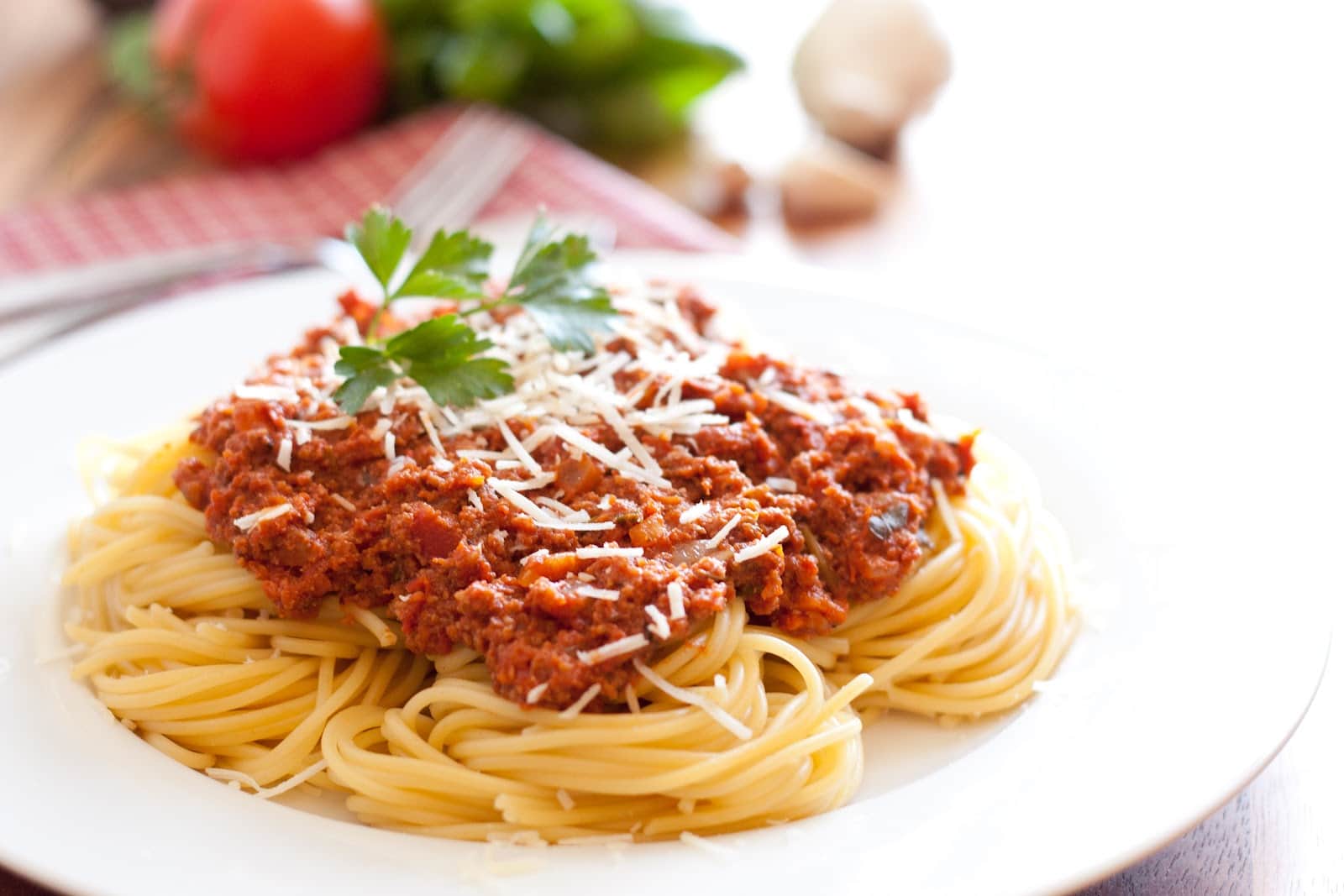
There are few culinary delights as comforting and universally loved as a perfectly crafted plate of spaghetti with meat sauce. But beyond the simple combination of pasta and ground beef lies a world of nuanced flavors and time-honored techniques that elevate a good sauce to something truly unforgettable. If you've ever yearned to recreate that rich, thick, deeply satisfying taste found in your favorite Italian trattoria, you’re in the right place. Crafting authentic, restaurant-quality *spaghetti with meat sauce authentic Italian style* is a journey of patience, passion, and a few key secrets that we're about to unveil. This isn't just about cooking; it's about a culinary experience, perfect for a cozy family dinner or a special celebration.
The Heart of Italian Flavor: Why "Low and Slow" is Non-Negotiable
The single most critical element in achieving an authentic, deeply flavored meat sauce is time. Forget quick-fix weeknight versions; a truly remarkable sauce demands a minimum of five hours—and often more—of gentle simmering. This "low and slow" approach isn't merely a suggestion; it's the very soul of the dish. During this extended period, a magical transformation occurs:
*
Flavor Melding: All the individual components – the sweet tomatoes, savory meat, pungent garlic, and fragrant herbs – have ample time to intertwine and develop complex, harmonious flavors that simply can't be rushed.
*
Deepening Richness: The slow evaporation of moisture concentrates the sauce, intensifying its taste and giving it that characteristic rich, robust body.
*
Tenderizing the Meat: Over hours, the meat becomes incredibly tender and almost melts into the sauce, contributing to its velvety texture.
*
Acidity Reduction: Prolonged simmering naturally mellows the acidity of the tomatoes, resulting in a beautifully balanced sauce without the need for added sugar.
Think of it as an act of culinary love. This patient approach is what separates a good sauce from an extraordinary one, infusing every spoonful with depth and character. For a deeper dive into this crucial technique, explore
Achieve Authentic Italian Meat Sauce: The 5-Hour Simmer Secret.
Ingredient Deep Dive: Crafting the Perfect Base for Your Sauce
While patience is paramount, the quality and choice of your ingredients lay the foundation for flavor. Each component plays a vital role in building that coveted *spaghetti with meat sauce authentic Italian style*.
*
The Tomato Foundation: Canned is King
You might assume fresh tomatoes are always superior, but for a slow-simmered meat sauce, canned crushed Roma tomatoes are often the secret weapon. Fresh Romas, while lovely, can be quite acidic and require extensive preparation (boiling, peeling, seeding, crushing) to achieve the right texture and flavor balance. High-quality canned crushed Roma tomatoes, like those from Contadina or similar premium brands, offer consistent sweetness, lower acidity, and incredible convenience. Their rich, concentrated flavor forms the backbone of an authentic Italian meat sauce. To understand why this choice is so important, delve into
Why Canned Roma Tomatoes Are Key for Authentic Italian Meat Sauce.
*
The Meat: Lean and Flavorful
Opt for lean ground beef, specifically 85% or 90%. While fat can add flavor, too much will result in a greasy sauce that detracts from the clean, robust taste. Leaner beef ensures a hearty, meaty character without an oily residue.
*
The Soffritto: Aromatics are Essential
The "soffritto" – a finely diced mixture of aromatic vegetables – is the aromatic soul of many Italian dishes. For our meat sauce, this includes:
*
Yellow Onion: Provides a foundational sweetness and savory depth when properly caramelized.
*
Garlic: Pungent and aromatic, garlic is indispensable for that classic Italian flavor profile.
*
Carrot: This might seem an unusual addition to some, but finely grated carrot is a masterstroke. It contributes a subtle, natural sweetness to the sauce, eliminating the need for added sugar, and also lends a beautiful, appealing color.
*
Herbs and Spices: A Symphony of Aromas
A blend of both fresh and dried herbs is key to a multi-layered flavor profile.
*
Fresh Herbs: Fresh basil and parsley, added towards the end or during the last phase of simmering, impart a vibrant, "garden-fresh" lift. While using fresh for the entire cooking process can be costly, these two are worth the investment for their distinctive brightness.
*
Dried Herbs: Dried rosemary, thyme, oregano, marjoram, and sage, along with bay leaves, are crucial for the long simmer. Their concentrated flavors slowly infuse the sauce, building complexity over hours. Don't let those spices sit in your cupboard indefinitely; this recipe is a perfect opportunity to put them to good use before they lose their potency.
*
Other Essentials:
*
Extra Virgin Olive Oil: The base for sautéing, adding its characteristic fruity notes.
*
Low Sodium Chicken Broth: Used sparingly, chicken broth is ideal for thinning the sauce to your desired consistency, especially after hours of reduction.
*
Salt and Black Pepper: Essential for seasoning, adjusted to taste throughout the cooking process.
Mastering the Maillard Reaction: Browning for Unmatched Depth
The initial steps of cooking are more than just heating ingredients; they are about building flavor through specific chemical reactions. The Maillard reaction, commonly known as browning, is your best friend here.
*
Browning the Beef: In a large, non-stick pot, brown your lean ground beef over medium-high heat. Crumble it into roughly 1-inch pieces initially, stirring occasionally and breaking it up as it cooks. The goal is a rich, even brown, not burnt. This browning develops complex, savory flavors that form a crucial layer of the sauce's depth. Once cooked through, drain off any excess fat, reserving about a tablespoon in the pot.
Here's a tip often overlooked for achieving that velvety texture: transfer the browned beef to a food processor and pulse it until it’s finely ground, almost like a coarse paste. This step ensures the meat integrates seamlessly into the sauce, preventing large, chunky pieces and creating a more homogeneous, luxurious mouthfeel. Set it aside.
*
Sautéing the Soffritto: Using the reserved beef fat (or a fresh tablespoon of olive oil if preferred), sauté your finely grated carrot and chopped yellow onion over medium-high heat. Cook them until they are beautifully golden, which usually takes about 4 minutes. During the last minute of sautéing, add the minced garlic. The aroma will be intoxicating. Ensure they brown, but don't burn, as burnt aromatics will impart bitterness. This process caramelizes their natural sugars, adding another layer of sweetness and complexity.
Assembling Your Masterpiece: Simmering to Perfection
With your foundation ingredients prepared and browned, it’s time to bring everything together for its long, slow dance.
1.
Combine Ingredients: Remove the pot from the heat momentarily to reduce splattering, then stir in the two large cans of crushed Roma tomatoes, the remaining extra virgin olive oil, all your dried herbs (rosemary, thyme, oregano, marjoram, sage, and bay leaves), salt, and black pepper. Now, reintroduce your finely processed, browned beef to the pot.
2.
The Long Simmer: Return the pot to low heat and let it simmer uncovered for a minimum of 5 hours, and ideally up to 8 hours. Stir occasionally to prevent sticking and ensure even cooking. The uncovered simmering allows moisture to escape, concentrating the flavors and thickening the sauce naturally.
3.
Adjusting Consistency: Around the 4-hour mark, your sauce will likely be quite thick. If you prefer a thinner consistency, gradually add low-sodium chicken broth until it reaches your desired texture. Once it achieves the perfect thickness, you can place a lid partially or fully on the pot to reduce further evaporation if needed.
4.
Final Touches: Before serving, remember to remove the bay leaves. Taste and adjust seasoning as necessary, adding more salt or pepper if desired.
Serving Suggestions and the Joy of Sharing
Once your magnificent sauce has achieved its peak of perfection, the reward is truly unparalleled. Scoop generous amounts over freshly cooked spaghetti – or your favorite pasta shape that holds sauce well, such as bucatini or tagliatelle.
For the quintessential Italian meal, serve your *spaghetti with meat sauce authentic Italian style* alongside a crisp, green side salad dressed with a light vinaigrette, and crusty garlic bread to soak up every last drop of that incredible sauce. A generous dusting of freshly shredded Parmesan cheese is, of course, non-negotiable for that final flourish.
This isn't just a meal; it's an experience. The effort and patience invested will be repaid manifold in the rich, deep flavors that only time can create. It's a dish that embodies warmth, tradition, and the joy of sharing truly exceptional food with loved ones.
Conclusion
Crafting authentic *spaghetti with meat sauce authentic Italian style* is a testament to the power of patience, quality ingredients, and proper technique. From the critical "low and slow" simmer that melds flavors over hours, to the strategic use of canned Roma tomatoes, the aromatic soffritto, and the careful browning of ingredients, each step contributes to a symphony of taste. The journey may be long, but the destination—a rich, velvety, deeply flavorful meat sauce—is utterly worth it. Embrace the process, savor the aromas, and prepare to delight your family and friends with a truly memorable Italian classic that tastes like it came straight from Nonna's kitchen.